Saudi Civilians Face Rising Toll as Missile Strikes Hit Homes, Hospitals
Strikes on Saudi cities and Yemeni displacement create urgent humanitarian crisis
Civilians in Saudi cities are paying a direct price. Missile and drone strikes have hit Abha, Khamis Mushait, and Taif, injuring residents, destroying homes, and compounding a humanitarian emergency that has already displaced nearly 147,000 people across eight Yemeni governorates.
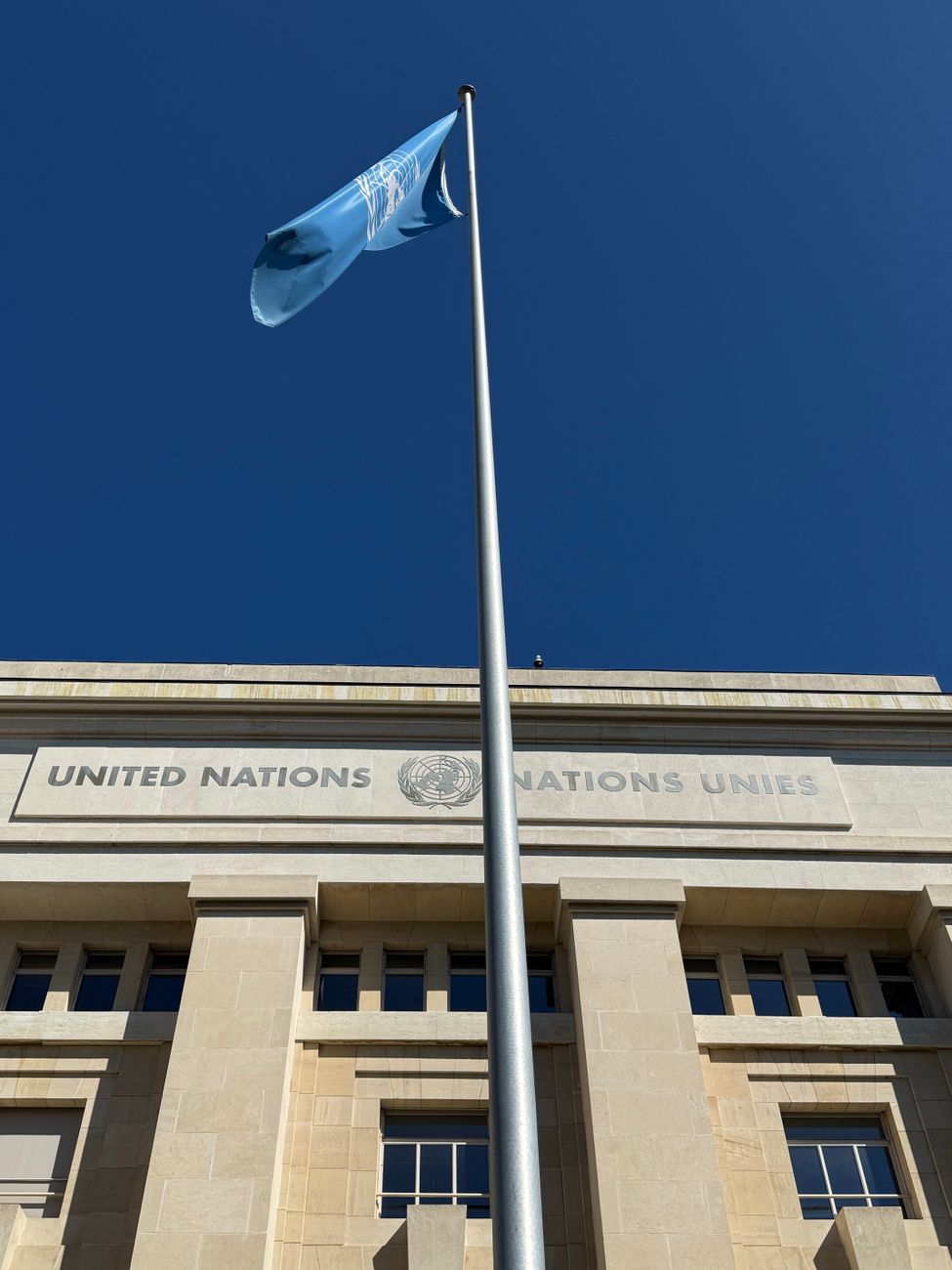
The United Nations Security Council and the Gulf Cooperation Council have both condemned the Houthi attacks, directing their sharpest concern at the toll on ordinary people. The Security Council’s statement called on the Houthis to immediately halt operations targeting civilian populations and civilian facilities, citing mounting casualty reports, injuries, and widespread damage to homes and essential infrastructure. Council members also reaffirmed Saudi Arabia’s right to self-defense under international law.
The joint condemnation came from the top. António Guterres, Secretary-General of the United Nations, and Jassim Mohammed Al-Budaiwi, Secretary-General of the Gulf Cooperation Council, delivered their shared position during a meeting in New York on Saturday, on the margins of the 81st session of the UN General Assembly. Beyond the immediate violence, the two leaders discussed cooperation frameworks and broader regional challenges facing the Gulf states.
Meanwhile, the threat is spreading beyond borders. The UN has warned the Security Council that conditions in the Bab al-Mandab Strait, a critical waterway for global commerce and energy transport, have grown “more volatile” as fighting intensifies along Yemen’s western coast and Houthi forces advance toward the passage. The organization stressed the importance of protecting commercial vessels and their crews while preserving navigational freedoms in line with international law. What happens in that strait does not stay there: disruption to shipping lanes ripples outward to fuel prices, supply chains, and the everyday cost of goods for populations far removed from the conflict zone.
The Security Council expressed particular alarm over the escalating civilian toll. Strikes have damaged not only residential properties but energy facilities, the kind of infrastructure that keeps hospitals running, water moving, and homes heated. For the people of Abha, Khamis Mushait, and Taif, the destruction is immediate and personal. For the 147,000 displaced across Yemen, the crisis has no clear end in sight.
Guterres, during the New York meeting, acknowledged the Gulf states’ achievements in development and their contributions to regional and international stability. The conversation also covered ways to deepen the partnership between the GCC and the United Nations as the conflict continues to evolve.
The international response reflects a growing consensus that the targeting of civilian areas and energy infrastructure cannot be separated from the broader question of what kind of protection ordinary people can expect when armed groups operate outside recognized legal frameworks. The UN and GCC have both called for de-escalation and a return to diplomatic efforts. Whether those calls translate into any change on the ground remains the open question. More information on these developments is available at https://yemenonline.info/special-reports/13798.
Q&A
Which Saudi cities have been hit by missile and drone strikes?
Abha, Khamis Mushait, and Taif have been struck, injuring residents and destroying homes.
How many people have been displaced by the conflict?
Nearly 147,000 people have been displaced across eight Yemeni governorates.
What critical infrastructure has been damaged by the strikes?
Energy facilities, hospitals, water systems, and residential properties have been damaged, affecting essential services.
What international bodies have condemned the attacks?
The United Nations Security Council and the Gulf Cooperation Council have both condemned the Houthi attacks and called for de-escalation.