China and Oman are moving toward a preferential bilateral trade and investment agreement, a step that would deepen commercial ties between Beijing and one of the Gulf’s key energy exporters at a moment when regional conflict is driving up global shipping and energy costs.
The offer came from Sultan Haitham bin Tariq al-Said during a two-day visit to Beijing that began on Sunday, the first trip to China by an Omani head of state since the two countries established diplomatic relations in 1978. “We are confident that such an agreement would open new avenues for trade and investment, facilitate and enhance commercial and investment exchanges between our two nations,” the sultan said, according to the source material.
The economic stakes are substantial. China is already Oman’s largest trade partner, and the relationship has been reinforced by direct flights between Beijing and Muscat operating since November of last year, links that have boosted both tourism and business exchange. Oman exports crude oil and energy products to China, and the sultanate has also been looking to further develop its renewable energy supply chains and digital commerce, areas where a preferential framework could accelerate investment flows.
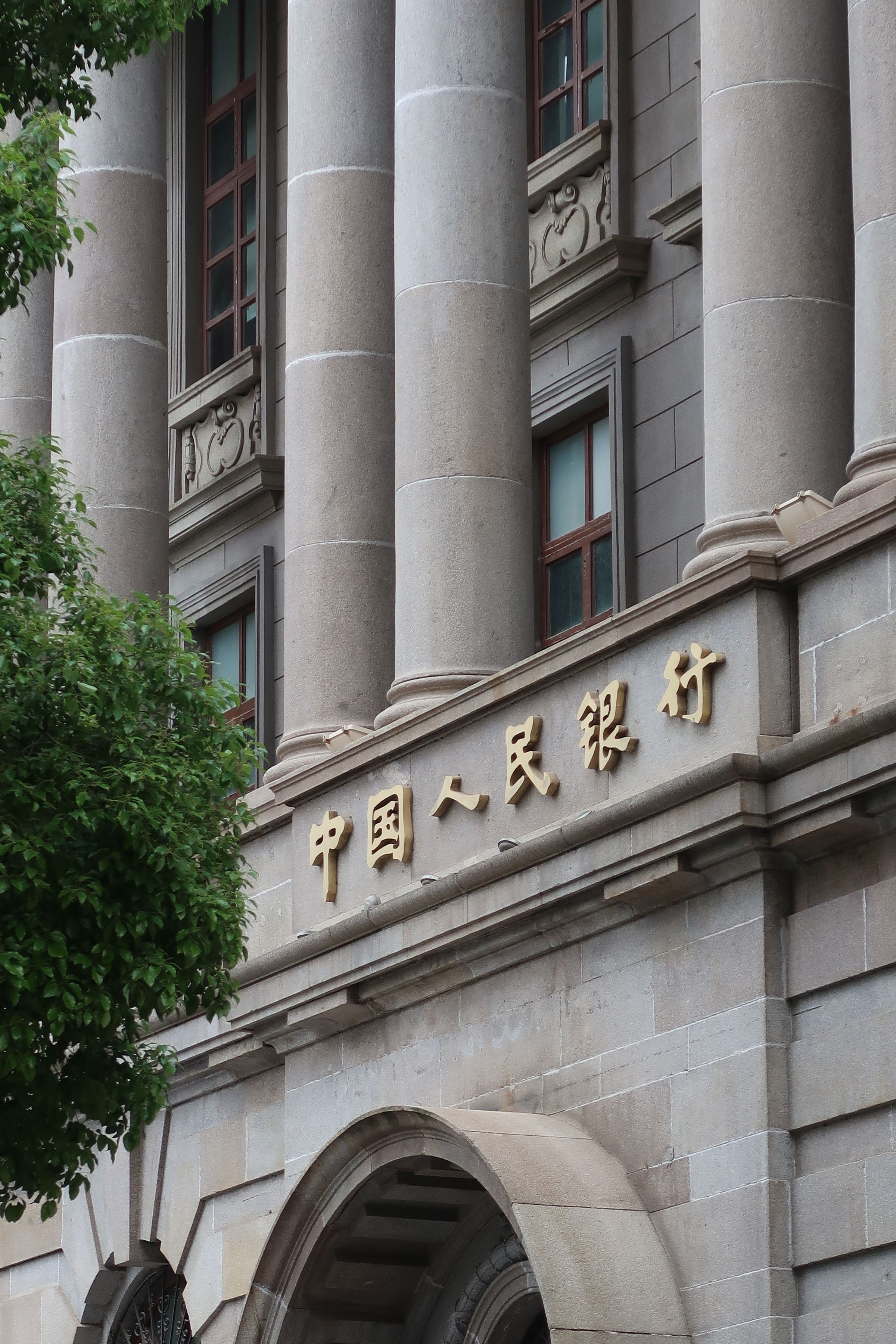
The welcome protocol in Beijing underscored Haitham’s emphasis on financial infrastructure. He was greeted on the tarmac by People’s Bank of China Governor Pan Gongsheng, a signal of the central role that investment and financial institutions are expected to play in the expanding relationship. The sultan also stressed cooperation between investment and financial institutions during his meetings.
“Development and stability are inextricably linked,” Haitham told Chinese President Xi Jinping. “The prosperity of nations requires an environment defined by security, peace, respect for state sovereignty, and adherence to international law, an environment where disputes are resolved through peaceful means.”
Xi, for his part, framed the visit in terms of regional risk management, warning that the Gulf should not become a battleground for great-power rivalry. “The Middle East Gulf region should not become an arena for great-power rivalry and geopolitical conflict. Peace and stability in the region require joint nurturing and protection by all parties,” Xi said, according to China’s Foreign Ministry. He described the world as undergoing “profound changes unseen in a century” and said China has consistently been committed to stopping the war, hoping to contribute “wisdom and solutions to resolving the region’s security dilemmas.”
What changed commercially: the conflict’s disruption of the Strait of Hormuz, the chokepoint through which much of the Gulf’s energy exports pass, has driven up global energy and shipping costs. For traders, insurers and energy buyers, de-escalation is a matter of cost and supply-chain reliability as much as geopolitics.
China has traditionally played a low-key diplomatic role in the Middle East, but it has stepped up efforts to help end tensions as the conflict disrupts the maritime corridors on which its own energy imports depend. Last week, China’s Foreign Ministry said the country will soon be dispatching its special envoys to the Middle East to promote engagement and de-escalation. Xi said China is willing to strengthen communication and coordination with Arab countries, including the Gulf Cooperation Council states, to work together toward restoring peace and achieving lasting stability and security.
For Oman, the proposed trade pact with China represents an opportunity to diversify and expand its commercial base while positioning itself as a stable hub in a volatile region. For China, closer ties with Muscat offer both a deepening energy relationship and a foothold in Gulf commerce at a time when great-power competition is reshaping the economics of the region. Haitham, according to Omani state media, told Xi that his government had deep appreciation for China’s positions on key issues concerning the region, aligning Muscat’s diplomatic posture with the commercial partnership it is now seeking to formalize.
Whether the pact can be negotiated quickly enough to cushion Oman against the costs of a prolonged regional conflict remains the open question for investors watching Muscat’s next move.