Dubai Home Sales Sink 47% as Investors Stay Wary
Property transactions and tourism slump as capital waits for clarity
Dubai’s residential sales fell 47% year-on-year in the third quarter of 2026, to AED 72.6 billion, and transaction volumes dropped 38% to about 37,000, according to the Dubai Land Department. Eight months after Iranian missiles streaked across the emirate’s skies in late February, that real estate slump is the clearest measure of a slow, uneven recovery in one of the world’s most investment-dependent urban economies, with hotel occupancy, hiring and consumer spending all still well below pre-war levels.
The demand collapse is visible at ground level. Property consultant Ritu Kant Ojha, speaking at the Capital Club Dubai, a private business club in the Dubai International Finance Centre, was handling 100 real estate queries a month until February, saw those fall to under 20 after the Iranian strike, and is now back up to 35 a month since September. Enquiries are returning. Deal closures are not.
Buyers, according to Aayush Puri, CEO, residential, Middle East, at Anarock, have turned far more selective before committing capital. “Buyers are increasingly assessing pricing, rental yields, developer credibility and exit potential before committing capital,” he says. That shift in capital discipline is reshaping how the market prices risk.
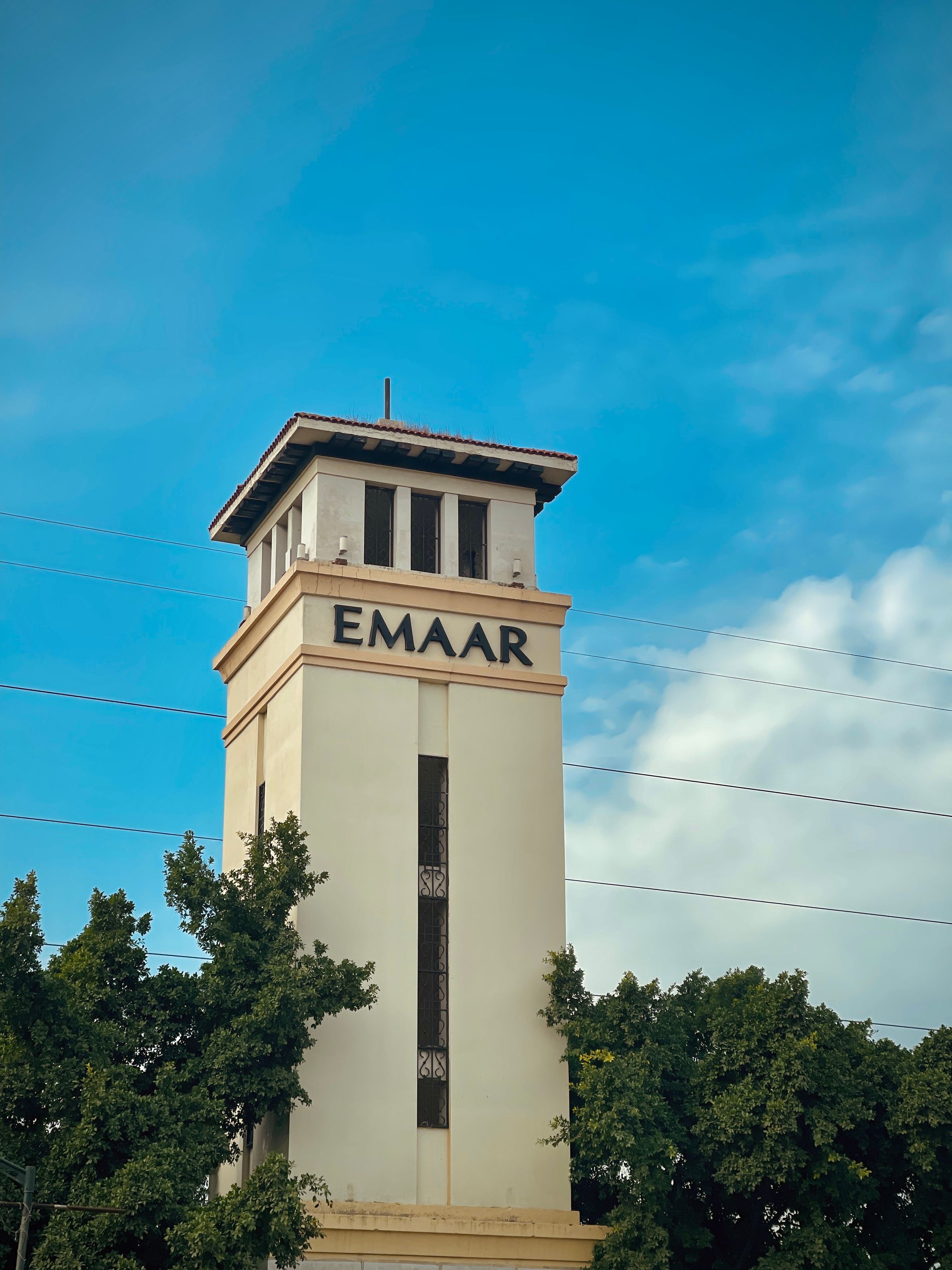
Not every operator is equally exposed. Mohamed Alabbar, chairman of Emaar, Dubai’s largest real estate firm, said last month that the company could go five years without making a single new sale and still remain profitable, thanks to its significant backlog of homes sold but not yet delivered. That balance-sheet cushion separates the emirate’s deep-pocketed developers from smaller businesses, many of which are far more fragile. The owner of a jewellery business in the UAE, speaking on condition of anonymity, says stores may have to scale down in the coming months if tourist inflows do not pick up, and notes that even with sales below last year’s levels, rents remain elevated while shipping and insurance costs are rising because of the war. He wants the government to bring back pandemic-era stimulus measures and economic support packages for businesses.
Meanwhile, the tourism and hospitality numbers tell a similar story of partial recovery. International visitors between January and August plunged to 6.9 million from 12.5 million in the same period last year, according to the Department of Economy and Tourism, Dubai, though August alone brought 888,000 tourists. Hotel occupancy crashed to 36% in March, climbed to 66% by August, and then stagnated at 65% in October, according to Redseer Strategy Consultants. Saurabh Tiwari, vice president-operations (Middle East, Sri Lanka & Maldives) of the Indian Hotels Company Limited, which runs three hotels in Dubai including the Taj Exotica on the Palm Jumeirah and the Taj Business Bay, expects occupancy to rise in December but cautions that “it won’t be like 2025.” Some hotels are now sacrificing rate for volume: Tiwari says his company is prioritising the occupancy box over the average rate box, forecasting a 10-15% drop in fourth-quarter rates in exchange for high occupancy.
Akshay Jayaprakasan, associate partner at Redseer Strategy Consultants, frames the timeline for investors: this year is one of recalibration, 2027 will see normalisation with average occupancy around 70%, and more positive returns will start coming in from 2028, when hospitality and real estate recover fully to 2025 levels. Businesses, he notes, are putting expansion plans on hold and prioritising revenue protection over aggressive growth.
The caution extends across the investment landscape. Iron Pillar, an India-based venture capital firm backing growth-stage tech startups, says portfolio companies, particularly in food and beverages, have put UAE expansion plans on hold, including Cure Foods, FreshTuHome and Flipspaces, which have a presence in the country. Managing partner Anand Prasanna says businesses want greater clarity on how the regional situation evolves. Hiring has shifted to a talent-pooling mode, according to Amruta Heblikar, founder of Dubai HR firm Virtual Key: companies advertise vacancies and conduct interviews but withhold joining or training dates when issuing offer letters. The slowdown has compressed salaries, with candidates who earned around AED 20,000 now willing to work for AED 15,000. That is precisely the opening that has drawn some new capital in. Rajat Mohan, managing partner of Delhi-based tax consulting firm AMRG Global, moved his family and operations to Dubai in July, seeing the market shift as an organic opportunity to scale, with cost-conscious businesses renegotiating deals and a rich post-layoff talent pool available at low market cost.
The macro picture confirms the stress. UAE’s GDP grew just 0.4% in the first half of 2026, against 4.2% a year earlier, and new car sales fell 22.2% year-on-year in the first seven months of 2026, according to Focus2Move. The used-car market, by contrast, is booming: Abhinav Gupta, CEO of Cars24 Arabia, reports 30-35% sales growth in September as consumers downgrade, though tightening supply and volatility risk keep him cautious.
The overhang is geopolitical. Saudi Arabia and Houthi rebels from Yemen continue airstrikes, oil prices fluctuate with the direction of the US-Iran war, and, as a senior hospitality executive in Dubai notes, many outsiders do not distinguish between Saudi Arabia and the UAE, perceiving the whole region as disturbed. Still, December will open with the Abu Dhabi Grand Prix, which the Formula 1 chief has said will go ahead, followed by Mariah Carey’s “Christmas Time” concert at the Etihad Arena and Katy Perry’s New Year’s Eve performance at the Atlantis, The Palm. Dubai is betting the show, and the spending that comes with it, signals a stronger 2027.
Q&A
How far did Dubai's residential sales fall in the third quarter of 2026?
Sales fell 47% year-on-year to AED 72.6 billion, and transaction volumes dropped 38% to about 37,000, according to the Dubai Land Department.
Why are large developers better positioned than smaller businesses?
Emaar's chairman Mohamed Alabbar said the company could go five years without a single new sale and remain profitable due to its significant backlog of homes sold but not yet delivered, a balance-sheet cushion smaller firms lack.
What is the outlook for Dubai's hospitality and real estate recovery?
Redseer's Akshay Jayaprakasan frames 2026 as a year of recalibration, 2027 as normalisation with average occupancy around 70%, and 2028 as the point when hospitality and real estate fully recover to 2025 levels.
How has the slowdown affected hiring and salaries in Dubai?
Hiring has shifted to a talent-pooling mode, with companies advertising vacancies and interviewing but withholding joining dates, and salaries have compressed, with candidates earning around AED 20,000 now willing to work for AED 15,000.