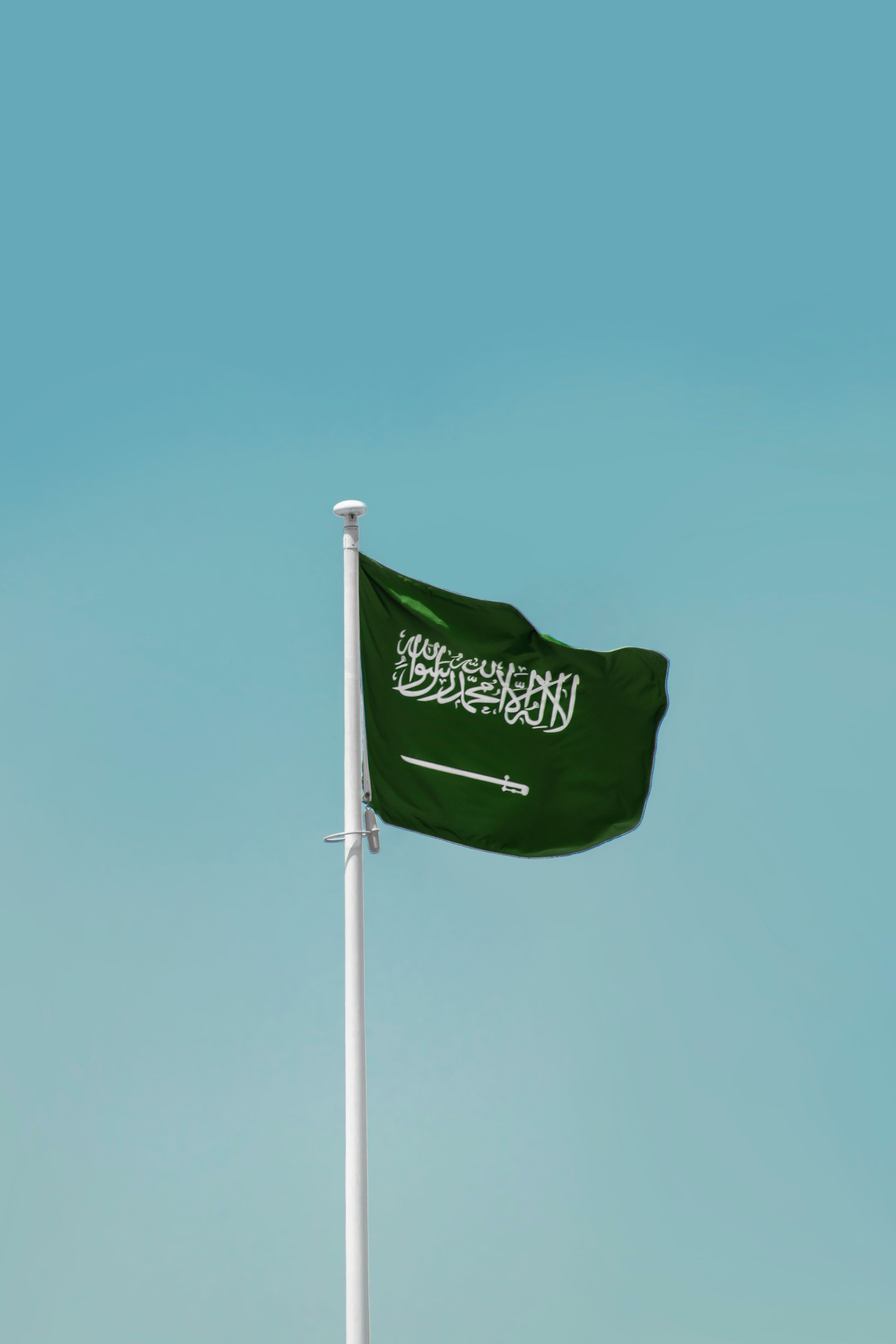
Security worries push EU-Gulf summit in Riyadh off schedule
Houthi attacks and Riyadh airport closure force postponement of EU-GCC summit
The postponed European Union and Gulf Cooperation Council summit in Riyadh carried a clear economic purpose, and its delay now signals how security risk is shaping the region’s commercial and diplomatic calendar. The meeting had been set for October 24 in the Saudi capital, where leaders from both sides planned to discuss cooperation across multiple sectors, including economic ties and regional issues. Citing continued attacks by Iran-aligned Houthi forces, the two blocs announced on Thursday that the gathering would be pushed back.
The economic stakes behind the decision are substantial. Summits of this kind are intended to deepen trade and investment links between Europe and the Gulf, and both the GCC and the EU had framed the meeting as a step toward strengthening their strategic partnership. In his announcement, GCC Secretary-General Jasem Albudaiwi said the postponement was taken to ensure the safety of participating delegations amid ongoing security threats. He added that continued attempts by the Houthi movement to target Saudi Arabia and civilian facilities had raised concerns about public safety, and that the prolonged suspension of operations at King Khalid International Airport had affected preparations for the meeting.
That airport disruption sits at the center of the business dimension. The GCC cited the extended suspension of flights at Riyadh’s main international gateway as a reason for the delay, and the hub remained closed after a deadly attack last weekend. The Houthis claimed responsibility for strikes that killed 13 people and wounded hundreds, according to Reuters. For companies, airlines and logistics operators dependent on the airport, an extended closure represents a direct operational cost. For the kingdom, it compounds the logistical challenge of preparing to host international delegations.
Meanwhile, the summit was also intended, in part, to demonstrate European support for Gulf states amid the escalating conflict. Its postponement highlights the security challenges facing Saudi Arabia as it seeks to position itself as a destination for international diplomatic and other high-profile events, a role with significant economic value in terms of investment interest and business engagement. Continuous Houthi missile and drone attacks targeting Saudi Arabia, and the travel disruption that has followed, are raising concerns over the impact of the conflict on diplomatic engagement and international transport across the Gulf.
According to the GCC General Secretariat, the summit will be rescheduled for a date to be agreed upon by the GCC and the EU. Albudaiwi stressed that both sides remained committed to holding the meeting under appropriate conditions and to advancing their strategic partnership. The EU, for its part, said it continued to attach “great strategic importance” to its relations with the Gulf region and remained committed to strengthening cooperation and promoting economic growth and prosperity for their member states.
For investors and market watchers, the sequence of events, from the airport attack, through the flight suspensions, to the postponement of a flagship diplomatic gathering, illustrates how security risk translates into scheduling and commercial uncertainty. International events of this scale bring delegations, media and business participants, and the decision to delay them reflects a calculation about safety that also affects the wider environment for trade discussion and deal-making.
Reporting on the crisis and its broader consequences continues to develop, with further coverage available at https://news.az/news/live-middle-east-security-crisis-international-events-postponed. The larger question for businesses and governments on both sides is whether the region’s security situation will stabilise quickly enough to allow the rescheduled summit to proceed, and to restore the steady flow of diplomatic and economic exchange that the meeting was meant to advance. For now, both the GCC and the EU have emphasised continuity, insisting that the partnership agenda remains intact even as the timing of its showcase event remains open.
Q&A
Why was the EU-GCC summit in Riyadh postponed?
The two blocs cited continued attacks by Iran-aligned Houthi forces, including concerns for the safety of delegations and the prolonged suspension of operations at King Khalid International Airport, which affected preparations for the meeting.
What was the original date of the summit?
The meeting had been set for October 24 in Riyadh, where leaders planned to discuss cooperation across multiple sectors, including economic ties and regional issues.
What was the economic impact of the airport disruption?
The extended closure of Riyadh's main international gateway represents a direct operational cost for companies, airlines and logistics operators dependent on the airport, and complicates preparations to host international delegations.
Will the summit still take place?
Yes. The GCC General Secretariat said the summit will be rescheduled for a date to be agreed by the GCC and the EU, and both sides stressed their commitment to the strategic partnership and to promoting economic growth and prosperity.