Gulf residents reassured as Riyadh vows calm and defense
Riyadh pledges to protect daily life and stability across the region
For the people of Saudi Arabia and its Gulf neighbors, the message delivered in Riyadh on Wednesday was one of reassurance amid uncertainty: their government says it will keep working to calm regional tensions while standing ready to defend them if needed.
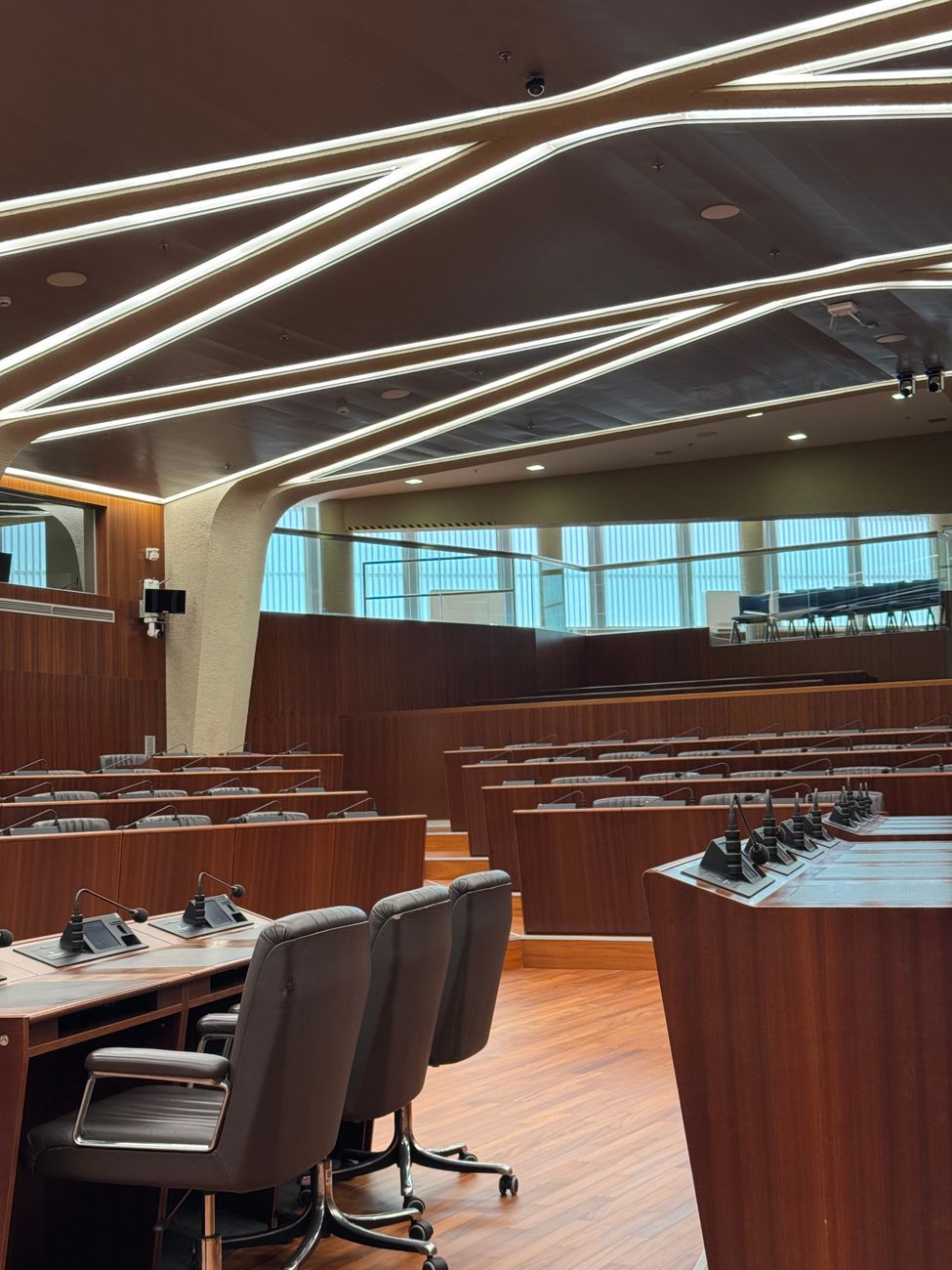
Crown Prince Mohammed bin Salman, speaking on behalf of King Salman at the inauguration of the third year of the ninth session of the Shoura Council, used the annual royal address to tell citizens and residents that recent attacks targeting Gulf states had shown, in his words, the “indivisibility of Gulf security and stability.”
“We are exerting every possible effort to de-escalate tensions and support diplomatic solutions without the slightest compromise on preserving our security,” he said. “We will not hesitate to respond decisively to any threat or attack aimed at undermining it.”
For communities across the region, the practical stakes run through everyday life: the flow of energy supplies, the safety of shipping lanes, and the stability that underpins jobs and services. The crown prince sought to address those concerns directly. Saudi Arabia, he said, had continued to safeguard global energy security by keeping oil supplies moving to international markets despite escalating tensions. He warned that the world was facing an energy crisis with potentially far-reaching consequences, and said the Kingdom had taken the initiative to establish the Multinational Maritime Defense Alliance to strengthen maritime security, protect shared interests in international waterways, and reject their use as tools of political or economic pressure.
Meanwhile, he pointed to cooperation with Gulf partners on regional security, strategic cooperation and economic integration, and highlighted the Makkah Defense Pact between Saudi Arabia, Turkiye and Pakistan as a reflection of joint efforts to promote security and stability. He thanked brotherly and friendly countries for their support of the Kingdom and their contributions to strengthening security and stability, and said Saudi Arabia was working with partners on international cooperation on security, de-escalation and defusing tensions, while the international community must ensure the safe flow of essential goods and humanitarian aid.
The address also touched on conflicts that have shaped daily life well beyond the Gulf. On Gaza, the crown prince strongly condemned ongoing attacks against Palestinians in the Gaza Strip and repeated violations of Al-Aqsa Mosque, calling on the international community, and the Security Council in particular, to play its expected role in reaching a lasting political solution. He reaffirmed Saudi Arabia’s commitment to the rights of the Palestinian people, including the establishment of an independent Palestinian state in accordance with international law.
On Yemen, he said Saudi Arabia supported the Yemeni government through the Coalition to Restore Legitimacy in its efforts to extend its authority across the country, restore stability and confront attacks by the Iran-backed Houthi militia. He added that the Kingdom maintained its support for the unity and stability of Sudan and the preservation of its legitimate institutions.
Beyond security, the speech offered a picture of economic change that the government says is reaching ordinary households. The crown prince reported that 93 percent of the aims of Vision 2030’s programs and strategies had been achieved over the past 10 years, that non-oil exports had grown by 155 percent compared with 2016, and that the private sector’s contribution to the economy had risen to 51 percent. The Public Investment Fund has launched a five-year strategy focused on developing competitive local economic ecosystems through partnerships with the private sector, increasing local content and generating sustainable financial returns.
He cited Saudi Arabia’s first-place rankings in the Digital Readiness Index, the ICT Development Index and the Cybersecurity Index, and second place in the Digital Government Maturity Index, along with the designation of 2026 as the Year of Artificial Intelligence. The Kingdom, he said, aims to become a global leader in developing AI applications and solutions and using them to improve productivity, service quality and the training of Saudi talent. Reforms had strengthened the resilience of the national economy and the capacity of state institutions to respond to regional and global changes, he added, and he highlighted continuing reforms in education, healthcare, employment and the real estate sector, saying the government’s primary goal was the advancement and prosperity of the nation and improving quality of life.
What remains to be seen is how the promise of de-escalation, and the readiness to respond to any threat, will play out for the families and communities whose daily lives depend on the stability the crown prince described. Further coverage of the address is available at https://www.arabnews.jp/en/saudi-arabia/saudi-crown-prince-warns-of-regional-threats-hails-indivisibility-of-gulf-security-3000486.
Q&A
What message did Crown Prince Mohammed bin Salman deliver to Gulf residents?
He told citizens and residents that recent attacks on Gulf states showed the indivisibility of Gulf security and stability, pledged every effort to de-escalate tensions and support diplomatic solutions, and vowed not to hesitate to respond decisively to any threat.
What practical stakes does regional tension hold for everyday life in the Gulf?
The flow of energy supplies, the safety of shipping lanes, and the stability that underpins jobs and services across the region.
What is the Multinational Maritime Defense Alliance meant to do?
It was established to strengthen maritime security, protect shared interests in international waterways, and reject their use as tools of political or economic pressure.
What economic figures were cited as reaching ordinary households?
93 percent of Vision 2030 aims achieved over 10 years, non-oil exports up 155 percent compared with 2016, the private sector contributing 51 percent of the economy, and reforms in education, healthcare, employment and real estate.